The Perfect Bead: Master Your Acrylic Liquid to Powder Ratio
Mastering Your Monomer-to-Powder Ratio
Tired of Runny or Clumpy Acrylic?
We’ve all been there. You’re ready to create a stunning set of acrylic nails, but your mixture is either running all over the place, making a sticky mess, or it’s so dry and crumbly you can barely work with it. Frustrating, right? The good news is, the secret to achieving that smooth, strong, and beautifully sculpted acrylic lies in mastering one simple thing: your monomer-to-powder ratio.
Think of monomer as the liquid that brings the powder to life. When these two meet in the perfect balance, magic happens. Let’s dive into how to find that sweet spot!
The ‘Perfect’ Ratio: It’s All About Consistency
Now, we’re not going to give you a super specific measurement in milliliters and grams. Why? Because sculpting nails is an art form and the ‘perfect’ ratio isn’t a rigid formula. Instead, it’s about achieving the right consistency for your acrylic bead.
Imagine you’re baking a cake. Too much liquid and your batter is a runny mess. Too little, and it’s clumpy and won’t spread. Acrylic is the same! You’re aiming for a bead that’s not too wet and not too dry – something that’s just right and easy to work with.
Keep in mind that the ideal feel of this ‘just right’ consistency can vary slightly depending on the specific DeEnterprises acrylic system you’re using. That’s why it’s so important to get to know and feel comfortable with your go-to products!
What to Look For: The Three Types of Beads
Let’s break down what different monomer-to-powder ratios look and feel like:
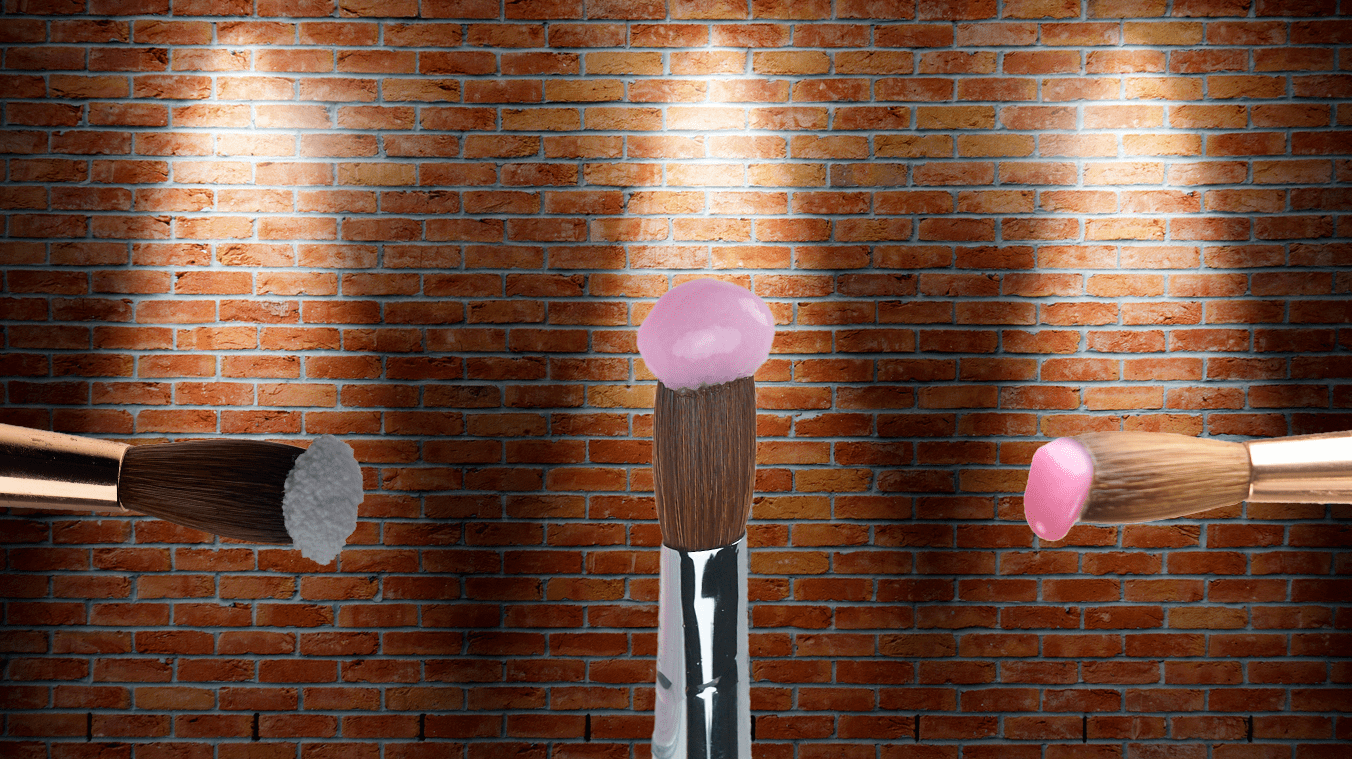
The ‘Too Wet’ Bead:

- Appearance: Looks very shiny and translucent. It will spread out and lose its round shape very quickly on your brush.
- The Problem: This type of bead is hard to control and can easily flood the cuticles and sidewalls. It often leads to lifting, because there isn’t enough powder to create a strong, durable structure. Plus, it can take much longer to set.
The ‘Too Dry’ Bead:

- Appearance: Looks crumbly, powdery, and often has a sugary or matte finish. It’s difficult to pick up and doesn’t form a cohesive ball on your brush.
- The Problem: Dry beads are hard to press out and smooth, often resulting in a bumpy, uneven application. They can also trap air bubbles, leading to weak and brittle nails with poor adhesion.
The ‘Just Right’ Bead:
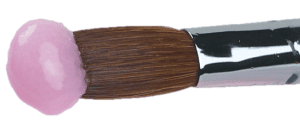
- Appearance: Forms a round, pearl-like shape with a creamy, satin finish – not too shiny and not too dull. It holds its shape but is still soft and easy to mold and manipulate.
- The Benefit: This is the magic bead! It allows for smooth application, excellent control, strong and durable enhancements, and prevents lifting and air bubbles.
Step-by-Step Guide to Picking Up the Perfect Bead
Here’s a simple guide to help you achieve that ‘just right’ consistency:
 Prep Your Brush: Dip your brush completely into your dappen dish of monomer, making sure to fully saturate the bristles. Make sure air bubbles stop coming out from the brush, and take care to not draw them onto the brush when taking it out.
- Remove Excess Monomer: Wipe one side of your brush against the inside of the dappen dish to remove the excess liquid. This step is crucial!
 Pick Up the Powder: Gently press the tip of your slightly damp brush into the acrylic powder. Don’t scoop! Let the monomer on your brush absorb the powder. Count to two or three before lifting. The amount of time will depend on your product.
- Observe the Bead: Your bead should form a perfect little ball on the end of your brush. Give it a brief moment (a few seconds) to fully polymerize (start to harden slightly) before placing it on the nail. It should look like that perfect pearl we talked about!
Simple Troubleshooting Q&A
Q: My acrylic is runny and flooding the cuticles. What am I doing wrong?
A: Your bead is likely too wet. Try wiping a little more monomer from your brush after dipping and before picking up the powder. You might also be using too much monomer initially.
Q: My acrylic is lumpy and hard to smooth out. What’s the problem?
A: This usually means your bead is too dry. Make sure your brush has enough monomer before dipping it into the powder. You might need to use a slightly wetter brush.
Q: My acrylic seems to set before I can shape it. How can I fix this?
A: This can be a sign of a bead that is too dry, or it could be the temperature in your room. A warmer room will make acrylic set faster. Focus on getting a slightly wetter bead to give yourself more working time.
Conclusion
Mastering the monomer-to-powder ratio is a fundamental skill in the world of acrylic nails, and it’s absolutely achievable with practice. Don’t be discouraged if you don’t get it perfect right away. Every successful nail tech has spent time practicing their bead consistency.
Remember that using high-quality products can also make a significant difference in achieving consistent and beautiful results. At DeEnterprises, we formulate our acrylic monomers and acrylic powders to work in perfect harmony, providing you with the best possible foundation for your artistry.
Ready to take your acrylic game to the next level? Check out our line of professional DeEnterprises acrylic systems to find your perfect match! Happy sculpting!